Stress and the heart: why shoveling snow can be risky
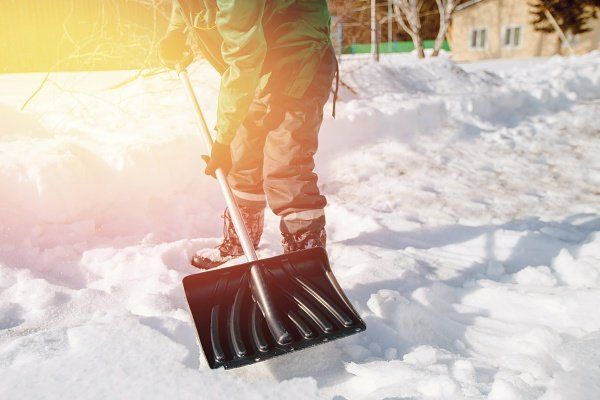
The first snow of the season falls overnight. In the morning, the dutiful neighbor is out before breakfast, maybe still in a bathrobe, clearing the sidewalk and the front steps so that nobody slips. It looks like a harmless chore. For some people, it is not. Shoveling snow puts real strain on the heart, and the link between stress and the heart makes the situation even more demanding.
This article draws on the experience of Charly Bachmann, HypnoCardio® specialist and certified cardiac therapist SAKR, a Swiss qualification. He has worked exclusively with heart patients for around 20 years, both in his own company and at Winterthur Cantonal Hospital.
What a study from Canada found
Researchers in Canada looked at snowfall and heart attacks in the province of Quebec, using hospital and mortality data from 1981 to 2014. They found that the more fresh snow fell, the higher the risk of a heart attack among men on the following day. Among women, they did not see this link.
A study like this shows an association, not a direct cause. Not every snowfall is dangerous, and not every person who shovels is at risk. But the finding fits what is known about cold, heavy exertion and the heart. For people at risk, shoveling snow in the cold morning hours can become dangerous.
Why shoveling snow strains the heart
Early in the morning, the body has not reached its operating temperature yet. It is not fully awake, and the circulation has not gotten going. Then comes the cold.
Cold makes blood vessels narrow, including the coronary arteries that supply the heart muscle with blood. In people with risk factors, these arteries may already be narrowed by deposits in the vessel walls, a condition called atherosclerosis. When the vessels constrict, the heart has to pump against more resistance. Blood pressure rises, and at the same time the heart muscle may get less oxygen than it needs. In the worst case, this can trigger a heart attack.
Shoveling adds heavy work on top: lifting wet, heavy snow, often quickly and without a break. For a heart that is already under strain, that is a lot at once.
Stress and the heart: the pressure behind the shovel
There is another factor, and it is easy to overlook: the pressure to get it done. The sidewalk has to be clear before the neighbors leave. The car has to get out of the driveway. Work starts at eight. Many people shovel in a hurry, with a strong sense of duty and a racing mind.
Stress activates the body’s alarm system. Heart rate and blood pressure go up, and the body gets ready for fight or flight. In a short burst, that is normal. Combined with cold, heavy exertion and existing heart disease, it adds to the load.
Winter stress has other faces, too: dark mornings, the year-end rush at work, family obligations over the holidays. For people who already live with a lot of pressure, winter can feel like one long sprint.
Who should be careful
People with known heart disease and people with several risk factors should take this seriously. Common risk factors include smoking, high blood pressure, high cholesterol, diabetes, excess weight, lack of exercise, ongoing psychosocial stress and a family history of heart disease.
If that describes you, see a doctor before winter and ask how much physical strain is safe for you.
Simple ways to lower the risk
Charly Bachmann’s advice is simple: people at risk should avoid physical exertion in the cold early morning hours. Yesterday’s snow can stay where it is a little longer.
A few more precautions help. Wait until later in the day, when your body is warm and the cold is less harsh. Warm up for a few minutes before you start. Push the snow instead of lifting it, move smaller loads and take breaks. Dress warmly and protect your hands and face. And if your doctor has advised you to avoid heavy exertion, ask someone else to do it.
Know the warning signs. Chest pain or pressure, pain that spreads to the arm, jaw, neck or back, shortness of breath, cold sweat, nausea or dizziness can be signs of a heart attack. Stop immediately and call emergency services. Do not wait to see whether it passes.
Hypnosis for stress relief: a calmer winter
The snow itself cannot be changed. How you respond to the pressure around it can.
Hypnosis for stress relief works where stress reactions are learned: in the subconscious. It can help you notice the rush before it takes over, slow down and let go of the feeling that everything has to be done right now. Self-hypnosis gives you a tool you can use on your own, for example in a few quiet minutes before you step out into the cold.
As a complement to medical care, hypnosis can also support people who want to work on other risk factors, for example when they want to stop smoking, change their eating habits or deal with worry and anxiety. This is how Charly Bachmann uses hypnosis in his work with heart patients. It never replaces cardiology, medication or rehabilitation. It works alongside them.
If stress is part of your everyday work life, our article on hypnosis for workplace stress shows how short breaks with self-hypnosis can help.
Learning hypnotic stress management
If you work with clients, as a hypnotherapist, coach or health professional, stress is one of the topics you will meet most often. Knowing how to help people calm their alarm system is a skill that serves them in every season.
Your next step: in the OMNI Academy catalog, you find the expert lecture DL150 Hypnotic Stress Management Techniques. You learn hypnotic stress management techniques for individual clients and for groups.
Sources
Auger, N., Potter, B. J., Smargiassi, A., Bilodeau-Bertrand, M., Paris, C., & Kosatsky, T. (2017). Association between quantity and duration of snowfall and risk of myocardial infarction. CMAJ, 189(6), E235-E242.