Hypnosis and diabetes: support for healthier daily habits
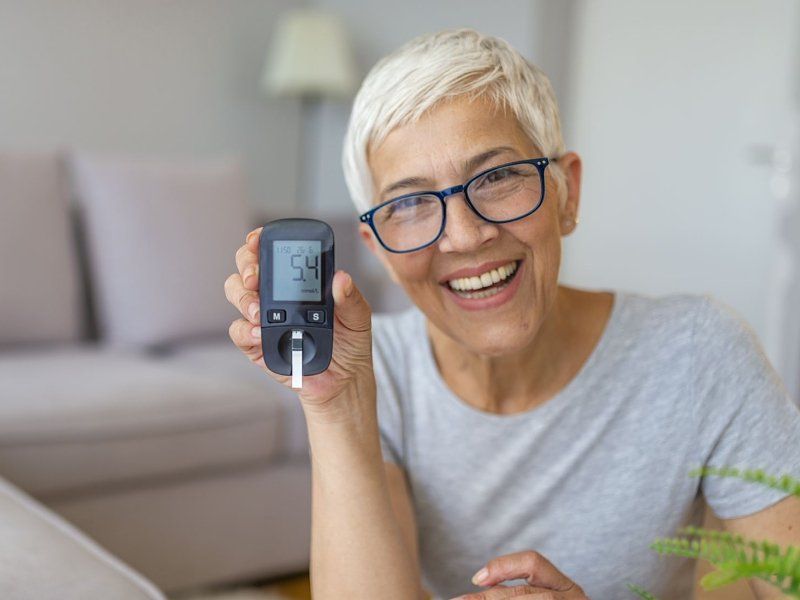
Eat less sugar. Lose some weight. Move more. If you live with type 2 diabetes, you have probably heard this advice many times, and you may agree with every word of it. And still, the chocolate after a long day or the skipped walk happens again. That gap between knowing and doing is where hypnosis and diabetes care can meet: not in the medical treatment itself, which belongs with your doctor, but in the everyday habits around it.
This article is based on the experience of Sandra Blabl, hypnotherapist, OMNI and HypnoSlim® instructor, naturopath and author. It explains where hypnosis can support people with type 2 diabetes, and where its limits are.
What happens in type 2 diabetes
When you eat carbohydrates, your blood sugar rises, and your pancreas releases insulin. Insulin works like a key. It opens the cells so that glucose, their main source of energy, can get in.
In type 2 diabetes, this system no longer works as it should. The cells respond less to insulin, which is called insulin resistance, and over time the body can no longer keep blood sugar in a healthy range.
Insulin resistance usually develops slowly and without symptoms. That is why type 2 diabetes is often discovered by chance, during a routine checkup. Later, signs such as increased thirst, frequent urination, dry or itchy skin, slow-healing wounds or frequent infections can appear. Left untreated for a long time, diabetes can lead to serious complications, including damage to the feet that can end in amputation.
That is why diagnosis and treatment belong with your doctor. Depending on your situation, treatment may include tablets such as metformin or insulin injections. Almost always, it also includes the advice to lose weight and to exercise more. That advice makes sense. Following it is the hard part.
Why willpower is often not enough
Most people with type 2 diabetes know what they are supposed to do. Many have tried diets, and many have lost weight and gained it back. That is not a lack of discipline.
Eating habits are learned early, they are tied to emotions, and they run largely on autopilot. Stress, boredom, frustration or loneliness can all end at the fridge. Willpower works in the conscious mind. Habits live in the subconscious. When the two disagree, the habit often wins, especially on a bad day.
Hypnosis and diabetes: where hypnotherapy can help
Hypnosis works on the level where habits and emotional reactions are stored. That is why it can be a useful addition when the goal is lasting change in daily life. Sandra Blabl sees several areas where hypnotherapy for lifestyle change can support people with type 2 diabetes.
Eating habits
Hypnosis is not a diet. It does not hand you a meal plan, and it does not forbid anything. Instead, it can help you find a calmer, more natural relationship with food: noticing hunger and fullness, enjoying a meal instead of rushing through it, and dealing with cravings without a daily fight. What you eat is something to plan with your doctor or a registered dietitian. How you manage to stick with it is where hypnosis comes in.
Stress and blood sugar
Stress is more than a feeling. When you are under pressure, your body releases stress hormones such as cortisol and adrenaline. They prepare you for fight or flight, and one way they do that is by releasing stored sugar into the blood. Chronic stress can therefore make blood sugar harder to manage.
Hypnosis and self-hypnosis can help you respond to stress more calmly. Whether that shows up in your readings is something to track together with your doctor. If stress at work is a big part of your life, our article on hypnosis for workplace stress goes into more detail.
Sleep
Sleep often goes unnoticed in diabetes care. Too little or poor sleep leaves the body little time to recover at night, and that is stress too. Hypnosis and self-hypnosis are ways to wind down in the evening and to make falling asleep easier. You can read more in our article on hypnosis for sleep.
Movement and motivation
Regular exercise helps in type 2 diabetes, ideally a mix of endurance and strength training that you agree on with your doctor. The problem is rarely knowing this. It is getting started and staying with it. Hypnosis can strengthen motivation and help you build exercise into your week so that it feels less like a duty.
Pain
Extra weight can strain the knees, hips, back and finger joints, and ongoing pain is a burden of its own. It can also make exercise harder. Pain always belongs with your doctor first. As a complement, hypnosis can help some people cope better with pain in daily life, as we describe in our article on hypnosis for pain management.
What hypnosis does not do
Hypnosis does not lower blood sugar by itself, and it does not cure or reverse diabetes. It does not replace medication, insulin, regular checkups or the advice of your diabetes care team.
One point matters for your safety. If you change how you eat and how much you move, your blood sugar can change too. If you use insulin or certain tablets, that can lead to low blood sugar. So talk to your doctor before you start, and never change the dose of a medication on your own. If your values change, your doctor decides whether your treatment needs to be adjusted.
Taking an active role
In Sandra Blabl’s experience, people who want to take an active part in their health often find hypnosis a helpful companion. They do not hand over responsibility, neither to a pill nor to a hypnotherapist. They use the medical care available to them, and they add the changes in daily life that only they can make.
That is the role hypnosis can play: helping you do what you already know is good for you, with less struggle.
About Sandra Blabl
Sandra Blabl is a hypnotherapist, OMNI and HypnoSlim® instructor, naturopath and author. More at mindwork.gmbh.
Your next step: in the OMNI Academy catalog, you find the expert lecture DL236 Hypnosis for Diabetes. You learn how to work with clients who live with diabetes, as a complement to their medical treatment.